Why Does a Hair Band Keep Failing You?
Abstract
If your Hair Band slips, pulls, breaks, leaves dents, or triggers that slow-building “why does my scalp hurt?” feeling, it’s not just bad luck—it’s usually a mismatch between material, tension, and your real-life use case. This article walks through the most common hair band pain points and gives you a clear selection method: how to pick the right stretch, surface, width, and construction for different hair types and situations (work, sports, kids, travel, sensitive scalps, and thick hair). You’ll also get a quick quality checklist for sourcing—especially useful if you’re buying in bulk for retail, salons, promotions, or uniforms.
Contents
- Outline
- The 6 hair band problems people complain about most
- Material and construction choices that change everything
- How to choose the right fit without guessing
- Use-case guide: gym, office, kids, thick hair, sensitive scalp
- A practical quality checklist for buyers and brands
- Care tips to make hair bands last longer
- Working with a supplier without surprises
- FAQ
Outline
- Identify the real reason your hair band feels “bad” (it’s usually friction + tension)
- Match material and construction to your hair type and daily routine
- Use a simple fit method to avoid headaches, dents, and slip
- Choose the right style for the moment (sport vs. office vs. kids)
- Spot quality quickly if you’re buying in bulk
- Make your hair bands last longer with low-effort care habits
The 6 hair band problems people complain about most
Quick truth: A “bad” hair band is rarely one single flaw. It’s usually the wrong mix of surface texture (grip), tension (stretch force), and construction (seams, glue, metal parts).
- Slipping: Too smooth, too narrow, or not enough friction for your hair texture.
- Pulling or tangling: Rough seams, exposed elastic, or metal joins grabbing strands.
- Headaches: Over-tension, poor elasticity recovery, or a too-tight circumference.
- Breakage: High friction against hair cuticles, especially on wet or fragile hair.
- Dents and creases: Narrow bands and rigid pressure points leaving that “pony bump.”
- Snapping or stretching out fast: Low-quality elastic core or weak stitching at stress points.
The win is simple: stop shopping by looks alone and start shopping by how it behaves—how it grips, stretches, and recovers after a full day.
Material and construction choices that change everything
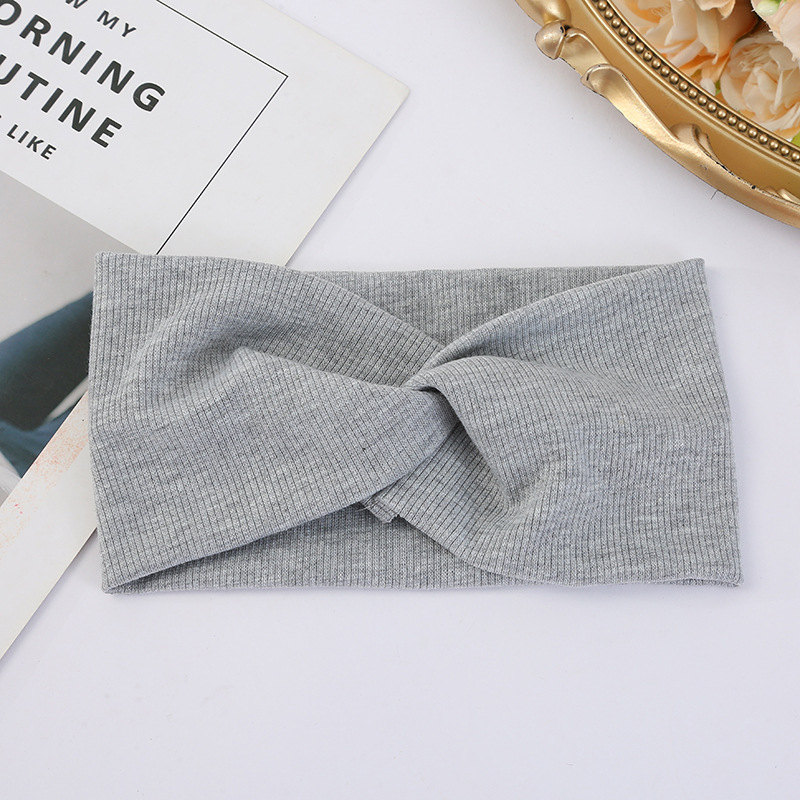
When people say “I want a soft hair band,” they usually mean one of two things: soft against the scalp, or soft against the hair itself. Those are related—but not identical. A hair band can feel soft yet still cause friction damage if the surface catches hair in tiny ways.
| Type | Best for | Comfort risk | What to look for |
|---|---|---|---|
| Fabric-wrapped elastic | Everyday ponytails, thick hair, less snagging | Low | Smooth wrap, tight stitching, no exposed rubber |
| Seamless knit band | Sensitive scalps, all-day wear, minimal pressure points | Low | Even tension, clean edges, good recovery after stretch |
| Silicone-grip headband | Sports, flyaways, fine hair that slips easily | Medium | Soft grip lines (not sharp), breathable base fabric |
| Thin rubber elastic | Quick temporary holds, braids, styling sections | High | Use sparingly; prioritize snag-free removal |
| Scrunchie-style band | Low-crease styles, curls, gentle hold | Low | Soft fabric, secure inner elastic, no scratchy seams |
If you only remember one thing: exposed metal + rough seams are the usual culprits behind snapping hair, tangles, and “why is this stuck?” moments. If you’re sensitive, aim for smooth wraps and clean joins.
How to choose the right fit without guessing
Fit is the quiet make-or-break. Too tight and you’ll get headaches or dents. Too loose and it slides until you keep re-tying it (which also increases breakage).
A simple comfort test you can do in 20 seconds
- Hold test: Tie your hair once. If it immediately slips, you need more grip or width.
- Pressure test: After 10 minutes, if your scalp feels “tight,” the band’s tension is too aggressive.
- Recovery test: Stretch the band, release it, and watch if it snaps back quickly and evenly.
- Snag test: Slide it off gently—if it catches, avoid that construction for daily use.
The sweet spot is “secure without forcing.” You shouldn’t feel your hair band all day—until you need it, and then it should still be doing its job.
Use-case guide: gym, office, kids, thick hair, sensitive scalp
For sports and sweaty days
Look for breathable fabrics, wider bands, and gentle grip. If your hair is fine, a silicone-grip option can help—but it should feel soft, not sticky-sharp.
For office and all-day wear
Prioritize even tension and low pressure points. Seamless knit styles and fabric-wrapped elastics tend to feel “invisible” while still looking tidy.
For thick hair or heavy ponytails
Thickness needs width and a strong inner core. A narrow band may hold for 10 minutes, then slowly surrender. Go wider, stronger, and avoid flimsy joins.
For curls, coils, and fragile hair
Reduce friction. Scrunchie-style or smooth fabric-wrapped bands are usually gentler. Also, avoid tying too tightly—secure doesn’t have to mean aggressive.
For kids
Comfort and safety first: soft materials, no sharp edges, stable stitching, and easy removal. The best kids’ hair bands are the ones they forget they’re wearing.
For sensitive scalps
Choose softer, wider bands with balanced elasticity. If you get headaches easily, avoid high-tension elastics and anything that concentrates pressure in one spot.
A practical quality checklist for buyers and brands
If you’re sourcing hair bands for resale, promotions, uniforms, or subscriptions, returns usually come from the same handful of issues: stretching out too fast, stitching failure, inconsistent sizing, and “it pulls my hair.”
What to verify before you commit to a bulk order
- Consistency: bands should feel the same from piece to piece (tension, width, finish).
- Join quality: avoid sharp metal parts; check stitching or bonding at stress points.
- Recovery: after stretching, it should bounce back—slow sagging predicts early “loose band” complaints.
- Surface feel: run it across hair—if it catches, customers will notice.
- Colorfastness: darker dyes shouldn’t bleed with sweat or washing (especially for sports styles).
- Packaging practicality: clean, clear labeling reduces confusion and improves the unboxing experience.
A good hair band doesn’t just look nice in a photo—it behaves reliably after repeated stretch cycles, humidity, and real-life wear.
Care tips to make hair bands last longer
Even high-quality hair bands can age fast if they live on a wrist, get soaked in sweat daily, or are stretched far beyond their comfort zone. The goal is to protect elasticity and keep the surface smooth.
- Wash gently: hand wash or use a laundry bag; harsh cycles chew up elastic faster.
- Air dry: heat can weaken elasticity and warp finishes.
- Don’t store stretched: leaving it around a thick bottle or tight wrist accelerates deformation.
- Rotate: using the same hair band every day is like wearing the same shoes daily—give it a break.
- Remove smart: unwind rather than yank; your hair will thank you.
Working with a supplier without surprises

If you’re building a product line (or simply trying to stop customer complaints), your supplier relationship matters as much as the hair band itself. Clear specs and repeatable quality checks beat “send me something nice” every time.
Here’s a clean way to brief a manufacturer:
- Define the scenario (sport / daily / kids / premium gift / salon use).
- Specify material feel (smooth / grippy / ultra-soft) and whether metal parts are allowed (many brands say “no”).
- Set consistency expectations (tension, width, size tolerance).
- Request a small pre-production sample set and test it like a real user.
- Confirm packaging and labeling requirements early to avoid last-minute compromises.
If you’re looking for a partner experienced in hair accessories, Yiwu Sicher Garments & Accessories Co., Ltd. is a name many buyers explore when they want stable production, practical customization options, and hair bands designed for everyday wear—where comfort and reliability matter more than hype.
FAQ
- How do I stop a hair band from slipping on fine hair?
- Go for slightly wider bands and surfaces that add gentle grip. A soft-grip lining can help, but avoid anything that feels sticky or sharp. Also, tying too loose invites slip—aim for secure without over-tightening.
- Why do hair bands cause headaches even when they “fit”?
- “Fit” isn’t only size—it’s how tension distributes. Narrow or stiff bands concentrate pressure. Try wider, softer constructions with better elasticity recovery, and avoid aggressive tension for long wear.
- What’s the gentlest option for preventing hair breakage?
- Smooth fabric-wrapped elastics and scrunchie-style bands are often kinder because they reduce friction and avoid sharp joins. Gentle removal matters too—unwind instead of yanking.
- How can I tell if a hair band will stretch out quickly?
- Do a quick recovery test: stretch and release. If it returns slowly or unevenly, it’s likely to lose shape early. Also check stitching at stress points—weak joins are where failures start.
- If I’m buying hair bands in bulk, what should I request from the supplier first?
- Ask for a small sample set that reflects the exact construction and packaging you want. Test consistency (tension and size), comfort (no snagging), and durability (repeat stretch cycles). Clear specs upfront reduce surprises later.
Ready to stop guessing and start shipping the right hair bands?
Whether you’re choosing a daily hair band that won’t slip and hurt, or you’re sourcing a consistent, sellable line for your brand, the difference is in the details: material feel, join quality, and balanced tension. If you want product options, sampling support, or bulk solutions, contact us and tell us your use case— we’ll help you narrow it down fast.
Send Inquiry



X
We use cookies to offer you a better browsing experience, analyze site traffic and personalize content. By using this site, you agree to our use of cookies.
Privacy Policy