Why Adult Hair Accessories Deserve a Place in Your Daily Routine?
Article Abstract
If you’ve ever bought a cute clip that immediately slid out, snapped after a week, or left you with a headache by noon, you’re not alone. Most people don’t need “more accessories” — they need Adult Hair Accessories that actually work: secure hold, comfort, durability, and a look that fits real life (office days, workouts, dinners, weddings, travel, you name it).
In this guide, I’ll break down the most common pain points and how to fix them using practical selection rules, material tips, and real-world styling scenarios. You’ll also get a quick comparison table, a buyer-friendly checklist, and an FAQ section you can bookmark.
Table of Contents
- Outline
- The real pain points people face
- How to choose by hair type and lifestyle
- Materials and construction that matter
- Fit and comfort without the headache
- Comparison table for common accessory types
- Styling scenarios that solve everyday problems
- Care tips to make accessories last longer
- What to look for when sourcing for retail or brands
- FAQ
- Closing thoughts and next step
Outline
- Pinpoint what’s failing: slip, breakage, discomfort, or style mismatch
- Match the accessory to hair texture, density, and routine
- Prioritize material + construction over “looks good in photos”
- Use a simple fit test so you don’t waste money
- Choose the right category: claw clip, barrette, headband, scrunchie, pins
- Maintain and store properly to double the lifespan
- For businesses: standardization, QC, packaging, and repeatable best sellers
The real pain points people face
Let’s get brutally honest: many “fashion” hair pieces are designed for a quick photo, not a full day of movement. When you search for Adult Hair Accessories, you’re usually trying to fix a practical problem, not win a runway award. Here are the issues I see most often:
SlipSlipping out within minutes
Usually caused by low-grip teeth, weak springs, smooth materials that don’t bite, or the wrong size for your hair density.
PainScalp pressure and headaches
Too-tight headbands, sharp edges, poor weight distribution, and metal parts that pinch can ruin your day.
DamageBreakage, snags, and frizz
Rough seams, cheap elastic, and poorly finished teeth can pull hair (especially on curls, fine hair, or chemically treated hair).
WasteInconsistent sizing and weak durability
A clip that cracks in cold weather, loses spring tension, or tarnishes quickly becomes “drawer clutter” almost immediately.
The good news: these problems aren’t mysterious. They’re predictable — and once you know the selection rules, buying better Adult Hair Accessories becomes straightforward.
How to choose by hair type and lifestyle
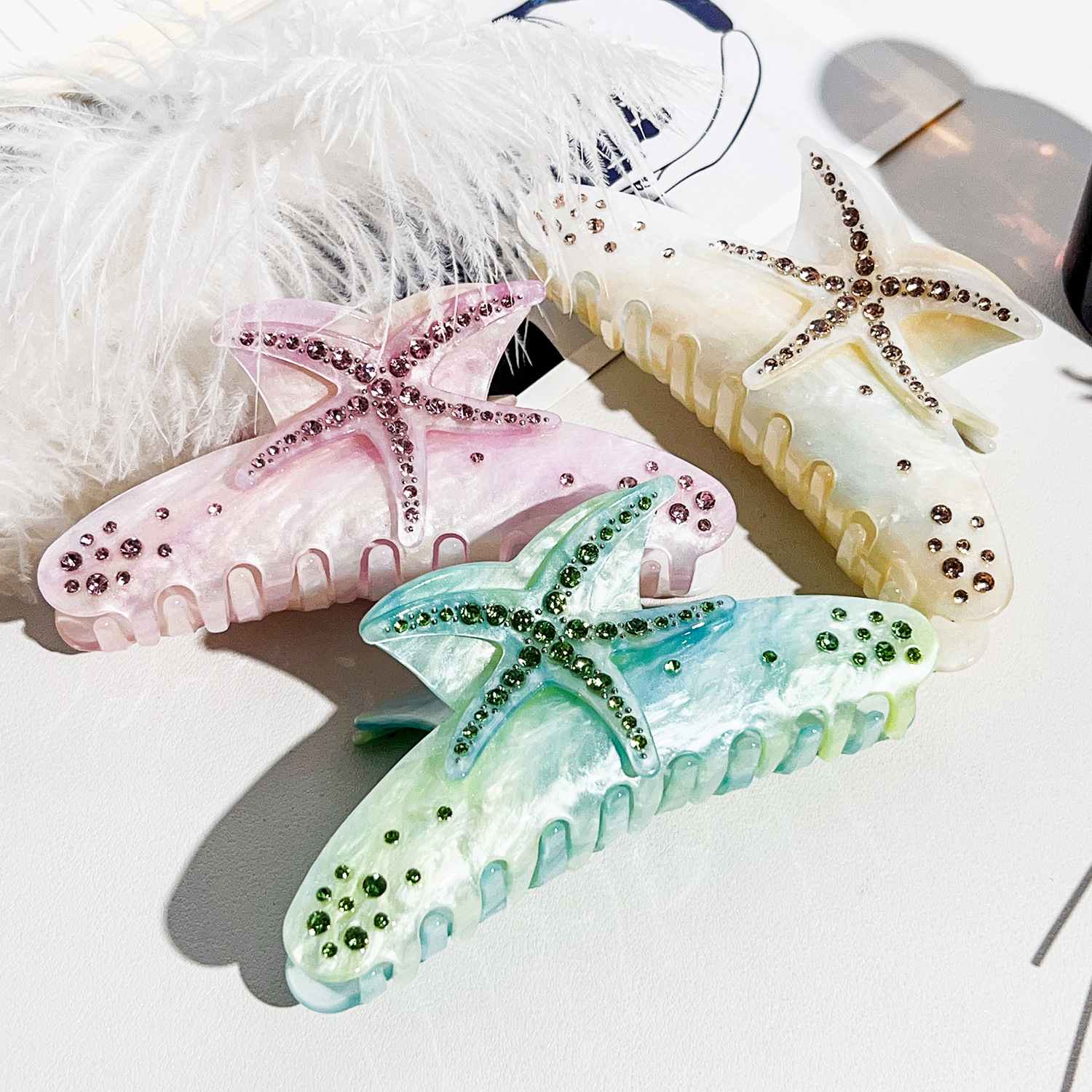
The best accessory is the one that matches your real day. Ask yourself: do you need security (commuting, workouts), comfort (long wear), polish (workplace), or speed (quick updos)? Use the checklist below as your filter.
- Fine hair: Look for smaller teeth spacing, textured inner grips, and lightweight pieces that don’t “slide” from weight.
- Thick hair: Choose stronger springs, larger jaw capacity, reinforced hinges, and wider teeth to avoid snapping.
- Curly or coily hair: Prioritize smooth edges, snag-free finishing, and fabric-forward options (scrunchies, soft headbands) to reduce friction.
- Oily roots or silky hair: Consider inner grip strips, matte finishes, or strategic pinning (two pins crossing) for stability.
- Active lifestyle: Go for “lock-in” holds: wide claw clips, spiral pins, or headbands designed to distribute pressure evenly.
A fast fit test you can do in under 30 seconds
- Twist your hair into a simple French twist or low bun.
- Apply the clip/pin and shake your head gently 3 times.
- If it creeps upward or loosens, you need either stronger tension, a better tooth design, or a different size.
Materials and construction that matter
“Material” is where the quality gap becomes obvious. Great-looking pieces can still be uncomfortable or fragile. When evaluating Adult Hair Accessories, focus on two things: how it feels on contact and how it performs under stress.
- Acetate and high-quality resin: Often smoother, less likely to snag, and more resistant to minor impacts than brittle plastics.
- Metal alloys with coating: Can offer sleek profiles for barrettes and pins, but look for smooth finishing and anti-tarnish treatments.
- Fabric (satin, velvet, knit): Great for reducing friction and protecting hair, especially for scrunchies and soft headbands.
- Elastic quality: Good elastic should rebound without losing shape; cheap elastic “stretches out” fast and causes slack holds.
- Hinge and spring strength: For claw clips, the hinge is the heart. Reinforcement and consistent spring tension prevent premature failure.
Construction details that buyers often miss: seam placement on scrunchies, tooth tip rounding on clips, and edges on metal pieces. These small decisions separate accessories that feel “fine for an hour” from ones you can wear all day.
Fit and comfort without the headache
Comfort is not a luxury feature — it’s the reason you keep reaching for the same few accessories while the rest sit unused. If headbands cause pressure points, or clips pinch near the scalp, you’ll subconsciously avoid them. Here’s how to fix comfort issues:
- Choose width wisely: Wider headbands distribute pressure better; narrow bands can dig in, especially during long wear.
- Balance the weight: Oversized decorative pieces look great but can “pull” fine hair; go lighter for everyday.
- Look for smooth contact areas: Any roughness becomes irritation after hours — especially behind the ears or near the crown.
- Avoid sharp inner edges: This is a common source of micro-breakage along the hairline.
If you get headaches easily
Try soft, fabric-covered headbands, padded designs, or low-tension styles. For updos, use two smaller clips instead of one tight, oversized clip — less pressure, same security.
Comparison table for common accessory types
Not sure where to start? This table maps popular Adult Hair Accessories to the problems they solve best.
| Accessory type | Best for | Common pain point it solves | What to check before buying |
|---|---|---|---|
| Claw clip | Quick updos, office hair, travel | Fast styling without heat or elastics | Spring strength, tooth rounding, jaw capacity |
| Barrette | Polished looks, half-up styles | Flyaway control and professional finish | Clasp grip, smooth underside, hair-friendly edges |
| Headband | Hands-free days, makeup/skincare, workouts | Keeping hair out of face comfortably | Pressure distribution, inner finish, non-slip design |
| Scrunchie | Low-damage ponytails, curls/coils | Reducing breakage vs. thin elastics | Fabric quality, seam finish, elastic rebound |
| Hair pins and U-pins | Secure buns, formal styles | Long-lasting hold with minimal bulk | Tip coating, pin thickness, snag-free finish |
Styling scenarios that solve everyday problems
You don’t need a hundred options. You need a small “toolkit” that covers your week. Below are scenario-based solutions you can copy-paste into your routine.
Scenario 1: Office days that need polish fast
- Use a medium claw clip for a French twist when you’re rushed.
- Add a slim barrette to secure a clean half-up style for a meeting-friendly finish.
- If you’re dealing with flyaways, pair a barrette with a lightweight headband rather than over-tightening a ponytail.
Scenario 2: Workouts without constant readjusting
- Choose a non-slip headband and a scrunchie instead of thin elastics.
- For long hair, anchor a ponytail with a scrunchie, then add two pins to lock side sections in place.
- Avoid heavy decorative clips during high-movement routines to reduce slipping.
Scenario 3: Formal events that still feel comfortable
- Use U-pins to build a secure low bun with minimal tension.
- Add a statement barrette for shine without the weight of large clips.
- For curls, choose fabric accessories that don’t rough up the curl pattern.
When you pick accessories by scenario, you stop buying “random cute stuff” and start building a reliable set of Adult Hair Accessories that you actually use.
Care tips to make accessories last longer
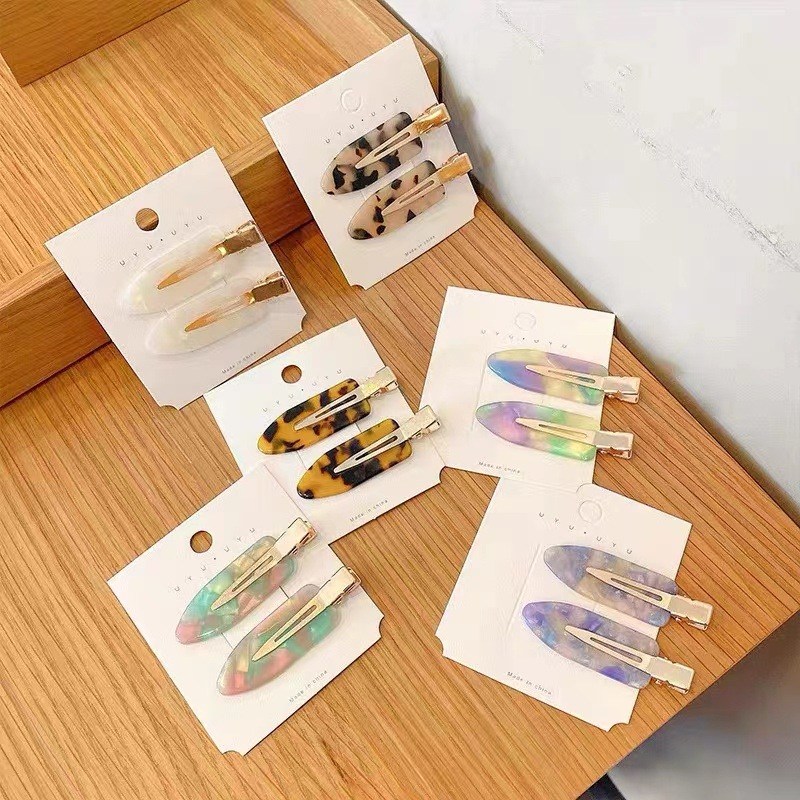
A lot of breakage and tarnish is preventable. A few small habits will keep your collection looking new:
- Clean regularly: Wipe clips and barrettes with a soft cloth; remove product residue that reduces grip.
- Store smart: Keep accessories in a divided box so teeth don’t scratch each other and springs aren’t stressed.
- Avoid extreme heat: Don’t leave plastics/resins in hot cars; material fatigue becomes cracking.
- Dry after moisture: If you use accessories after showers/skincare, dry them to prevent coating damage.
- Respect the limit: If a clip is too small for your hair volume, forcing it open repeatedly will weaken the hinge quickly.
What to look for when sourcing for retail or brands
If you’re a retailer, distributor, or brand buyer, your “pain points” are slightly different: returns, quality consistency, packaging, and repeatable best sellers. A product can look great in photos and still fail in customer hands if the construction isn’t standardized.
- Consistency: Demand stable sizing, repeatable spring tension, and reliable finishing between batches.
- Quality checks: Ask about hinge cycle testing for clips and elastic rebound checks for scrunchies.
- Packaging that protects: Prevent scratches and deformation in transit with divided storage or protective inserts.
- Trend + function balance: Keep a core lineup of functional colors/shapes and add seasonal trend pieces around it.
- Clear product info: Label recommended hair types (fine/thick/curly) to reduce mismatch and returns.
Brands like Yiwu Sicher Garments & Accessories Co., Ltd. typically support buyers who want a practical mix: daily basics that move volume plus upgraded styles that lift perceived value. When your assortment is built around function (hold, comfort, durability) first, “pretty” becomes a bonus — not a gamble.
FAQ
Q: How many Adult Hair Accessories do I actually need for a useful routine?
A: Most people do well with 5–8 pieces: one strong claw clip, one slim barrette, one soft headband, two scrunchies, and a small set of pins. Build from there only when a new scenario appears in your life.
Q: What should I choose if my hair is fine and everything slips?
A: Go smaller and lighter, and look for textured inner grips or matte finishes. Pair a clip with two pins for anchoring if your hair is very silky.
Q: Are headbands bad for hairlines?
A: Not inherently. Problems come from excessive tension and rough edges. Pick wider, softer designs and avoid constant tight placement in the exact same spot every day.
Q: How do I avoid breakage from ponytails?
A: Swap thin elastics for fabric scrunchies, and don’t tie too tight. If you need a sleek look, use a scrunchie for the main hold and wrap a decorative piece around it instead of tightening further.
Q: What makes a claw clip “high quality” in practical terms?
A: Strong and consistent spring tension, reinforced hinge, rounded teeth, smooth edges, and a size that matches your hair volume without forcing the jaw open too far.
Q: Can I wear Adult Hair Accessories with curls without ruining definition?
A: Yes. Choose snag-free finishes and softer fabrics, and avoid rough teeth that separate curls. For updos, use pins and gentle placements instead of dragging accessories through the curl pattern.
Closing thoughts and next step
The shortcut to better hair days isn’t buying more — it’s buying smarter. When you match the right Adult Hair Accessories to your hair type, routine, and comfort needs, you get reliable hold, less damage, and a look that feels intentional instead of improvised.
If you’re sourcing for retail, building a private label line, or simply want dependable options that your customers will re-order, start with a functional core assortment and scale from there. When you’re ready, contact us to discuss styles, materials, packaging, and a lineup that fits your market.
contact usSend Inquiry



X
We use cookies to offer you a better browsing experience, analyze site traffic and personalize content. By using this site, you agree to our use of cookies.
Privacy Policy