
Why Is the Global Headband Market Shifting Toward Engineered Versatility?
Across sportswear, luxury children’s accessories, and daily lifestyle segments, a quiet revolution is reshaping non-slip fabric hair organizers. The once-simple hair accessory has evolved into a multi-functional tool that balances ergonomic comfort, moisture management, and aesthetic adaptability. Industry observers note that contemporary design standards now demand advanced textile bonding, seamless edges, and custom tension control. As a result, sourcing strategies have moved beyond generic stock items toward tailored solutions that merge rapid prototyping with scalable production. This shift places greater emphasis on specialized workshops capable of delivering consistent output across diverse material libraries—from plush velour to recycled elastic blends. Within this context, the humble yet indispensable headband has emerged as a category benchmark, reflecting how micro-accessories can drive macro loyalty for global brands. Manufacturers who ignore these technical upgrades risk losing relevance in an increasingly quality-conscious supply chain.
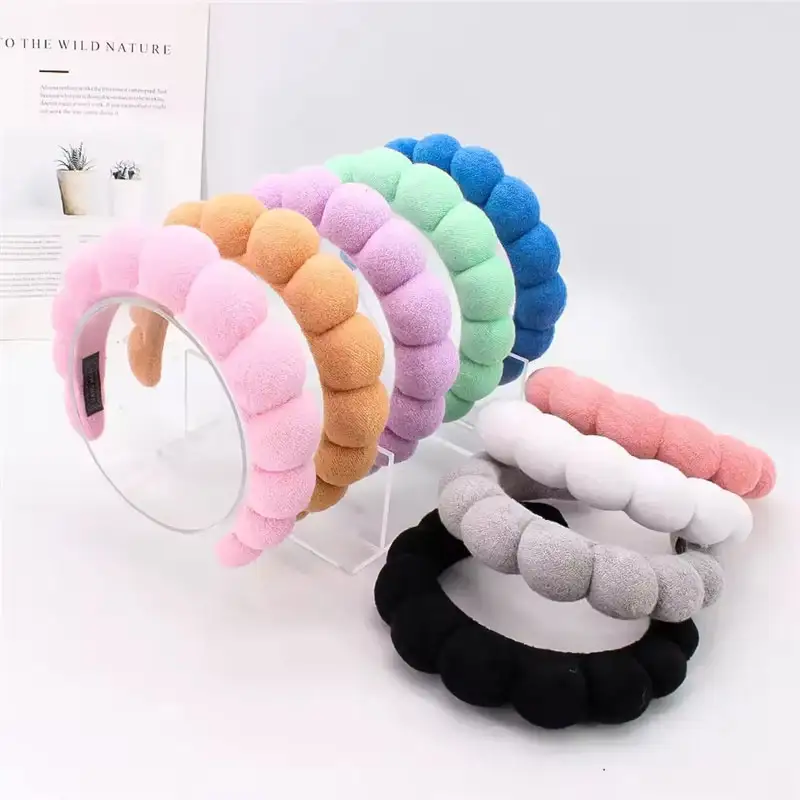
Material Innovation and Structural Integrity
Recent technical bulletins from European textile labs highlight growing preference for wrapped elastic cores that eliminate pressure points while maintaining all-day grip. This contrasts with older plastic or metal insert designs, which often caused fatigue or slippage. Three major drivers explain this pivot:
- Ergonomic geometry: Curved profiles matching cranial contours reduce tension headaches.
- Sweat-wicking fabrics: Nylon-spandex combinations with antimicrobial finishes.
- Reversible construction: Dual-texture surfaces for casual vs. sport applications.
Market intelligence confirms that wholesale inventory now prioritizes these attributes over purely decorative features. Consequently, development cycles have shortened from months to weeks, with laser-cut finishing eliminating frayed edges—a persistent complaint among retailers. The modern headband is no longer a passive accessory; it acts as a performance layer, blending seamlessly into activewear capsules and loungewear collections. For manufacturers, mastering these micro-details requires dedicated pattern engineering, continuous tension testing, and colorfastness validation across multiple wash cycles.
Comparative Overview: Production Essentials
The following table outlines core distinctions between standard commodity units and engineering-led alternatives now preferred by global labels. Note the absence of volume thresholds, focusing solely on structural values.
| Attribute | Standard Construction | Engineered Performance |
| Core material | Plastic or thin elastic band | Encased memory-flex polymer with fabric wrap |
| Seam finishing | Overlocked raw edge | Blind-stitched or ultrasonically welded |
| Grip retention | Basic friction lining | Silicone micro-dots or velvet underlayer |
| Moisture handling | Minimal absorption | Hydrophilic finish with fast-dry backing |
| Customization scope | Limited to colors | Shape, width, padding distribution, logo embedment |
Each row represents a functional leap that reduces return rates and enhances brand perception. For sourcing teams, verifying these specifications during sampling phases has become mandatory, especially for premium retail channels where end-user experience drives reorder behavior.
Sustainable Production and Circular Economy Alignment
Environmental compliance now influences material selection as much as cost efficiency. Brands increasingly request biodegradable elastics, recycled polyester covering, and plastic-free packaging for their accessory lines. This dovetails with the rising demand for durable, multi-season headband designs that resist stretching and pilling. Manufacturers that integrate recycled yarns without compromising tensile strength gain preferential access to eco-conscious programs. Moreover, low-waste cutting layouts and waterless dyeing methods are becoming standard procurement filters. The shift is not merely ethical but commercial: retailers actively highlight sustainable accessory collections to meet ESG targets. Therefore, any serious producer must offer transparency regarding component origins, glue types, and end-of-life disassembly potential.
Key Quality Benchmarks for Wholesale Collaboration
Construction Consistency
Uniform width tolerance across all sizes, symmetrical stitching, and no visible glue residue. This ensures predictable performance during distribution and final unboxing.
Color Retention and Abrasion Resistance
Minimum standard: colorfastness to light (Grade 4), rubbing (dry/wet Grade 4-5), and pilling resistance (Grade 3-4) after accelerated wear simulation.
Elastic Recovery
After repeated stretch cycles, the accessory should return to original length within a specified tolerance range without permanent set. This prevents loose fitting over time.
These benchmarks directly affect how the product is perceived by style consultants, salon professionals, and sports team managers. A failure in any area damages brand trust. That explains why established labels now audit factories on these technical parameters rather than relying on visual sampling alone.
Logistical Advantages from Centralized Manufacturing Clusters
Yiwu’s industrial ecosystem offers distinct synergies for accessory production. Raw materials—from jersey knits to silicone strips—are available within short distances, allowing rapid iterations and reduced lead times. This cluster effect also enables flexible MOQ arrangements for new collections without disrupting cash flow. Many international design houses have leveraged this proximity to launch seasonal capsule lines with just weeks of development. The accessibility of specialized trimming workshops (elastic cutters, edge folders, pad printers) transforms the region into a one-stop source for complex accessory assemblies. For any headband program requiring frequent updates or hybrid constructions, these agglomeration benefits translate into lower coordination costs and faster problem-solving compared to decentralized supply chains.
Risk Mitigation: Counterfeit, Substandard Materials, and Compliance
Quality variance remains a concern when sourcing from unvetted intermediaries. The most common failures include:
- Use of recycled elastic with poor recovery after five uses.
- Inconsistent width that causes uneven tension and slipping.
- Non-compliant azo dyes or phthalates in printed patterns.
To counter these issues, leading suppliers now provide third-party test reports per batch, along with traceability documentation for fabric rolls and adhesives. Some incorporate inline vision systems to detect dimensional anomalies during slitting and folding. Such precautions are non-negotiable for regulated markets like the European Union, where chemical compliance (REACH) demands full disclosure. Therefore, partnering with a facility that maintains internal quality labs and retains archived samples for each production lot is a strategic advantage.
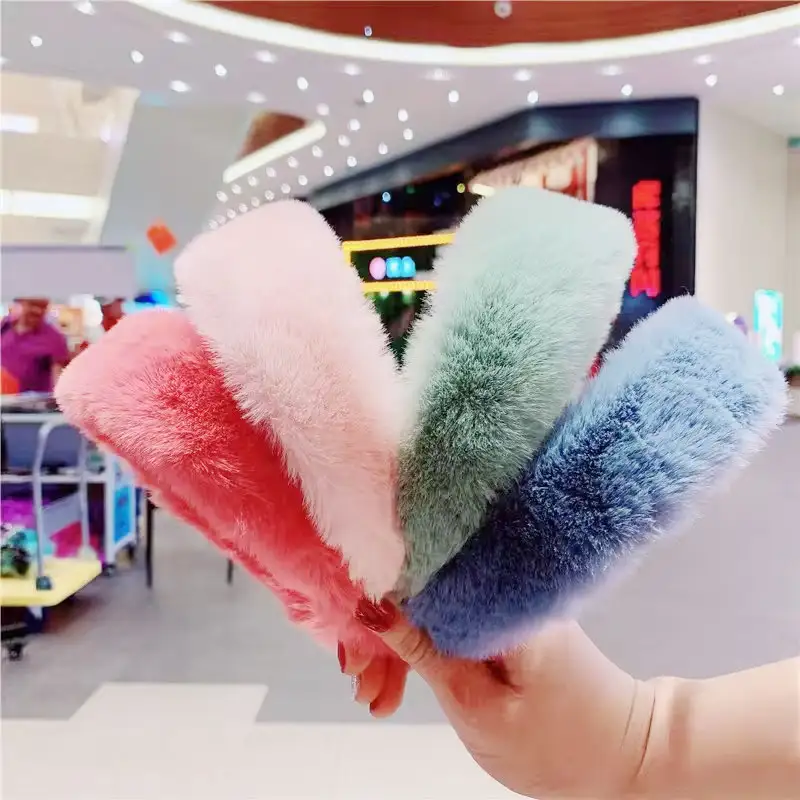
Customization Pathways: From Concept to Finished Unit
Design teams often underestimate the number of decisions involved in accessory engineering. The process can be broken into clear phases:
Silhouette Definition
Width profile (tapered vs. uniform), curvature radius, and padding distribution (full-wrap vs. selective cushioning).
Material Stack Selection
Face fabric (velvet, lycra, cotton blend), interlining (non-woven stabilizer), backing (anti-slip silicone or velvet).
Closure Type
Continuous loop, adjustable buckle, or open-end with hook-and-loop. Each choice affects fitting range and production complexity.
Working with an experienced factory reduces sample iterations. In Yiwu, many suppliers have in-house pattern makers who convert hand sketches into production-ready CAD files within days. This capability is particularly valuable for licensed character accessories or corporate giveaway items where precise logo placement and color matching are mandatory.
Why Consistency Differentiates Long-Term Partners
Retailers and brand owners have learned that inconsistent batch quality erodes consumer confidence faster than any other supply issue. A single shipment with poor adhesive bonding or off-gauge width can trigger returns, chargebacks, and delisting. Thus, mature sourcing strategies emphasize supplier audits, documented process controls, and random inline sampling. Factories that implement statistical process control for critical parameters (tension, seam strength, odor check) become preferred vendors. The investment in such systems also allows them to scale production without degradation—an essential trait when handling seasonal spikes (e.g., back-to-school or holiday gifting).
Forward Outlook: Hybrid Fashion-Tech Integration
Emerging concepts include accessories with integrated haptic textiles for fitness feedback or UV-sensitive color-changing yarns. While niche, these developments signal a trajectory where passive objects become interactive. The foundational requirement remains a robust manufacturing base that understands multi-layer textile engineering, conductive thread integration, and washability. Early adopters are already piloting temperature-regulating phase-change materials inside fabric wraps. This evolution positions the classic headband as a platform for wearable tech, blurring lines between apparel and gadgets. Manufacturers who maintain flexible production lines and R&D partnerships will lead this segment.
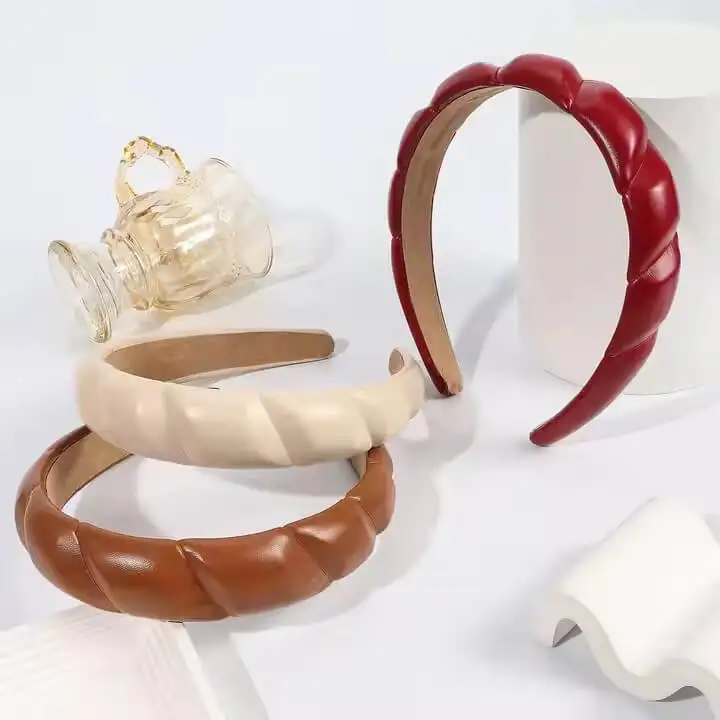
Partner Profile: Yiwu Glory Garments & Accessories Co., Ltd.
With over a decade of specialized experience, Yiwu Glory Garments & Accessories Co., Ltd. has built a reputation for engineering high-grade hair accessories that meet rigorous international standards. Based directly in Yiwu’s central sourcing zone, the company operates dedicated production cells for elasticated accessories, offering full in-house capabilities from material sourcing, sample development, to mass finishing. Their technical team routinely consults on pattern optimization, fabric substitution, and compliance documentation, ensuring that every delivery aligns with client specifications without deviation. For brands seeking a manufacturing ally that treats structural integrity and finish uniformity as core values, Yiwu Glory Garments & Accessories Co., Ltd. represents a reliable, solution-oriented partner. Their continuous investment in automated cutting and ultrasonic welding equipment allows them to handle complex orders with consistent lead times and transparent quality reporting.
Send Inquiry



X
We use cookies to offer you a better browsing experience, analyze site traffic and personalize content. By using this site, you agree to our use of cookies.
Privacy Policy